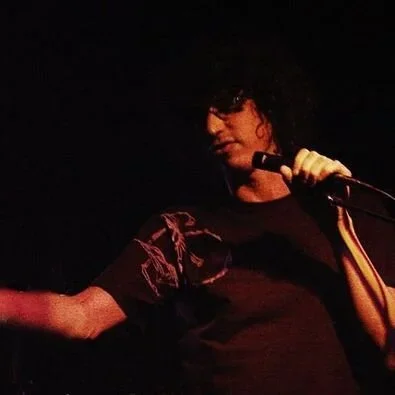
Lon Kaiser is a composer, performer, educator
working across film, theater, sound design, VR, and live shows. His projects include work for MailChimp, HP, MTV, IFC, BRAVO, UNICEF, Victoria’s Secret, and the VR film "INTERRUPTURE," premiered at Atlanta Film Festival. He has performed at regional venues like Joe’s Pub, The Apollo, National Sawdust, and MassMoCA, with recent features at the Lincoln Center Juneteenth Celebration with Carl Hancock Rux and Charles Ives’ 150th celebration in Danbury, CT.
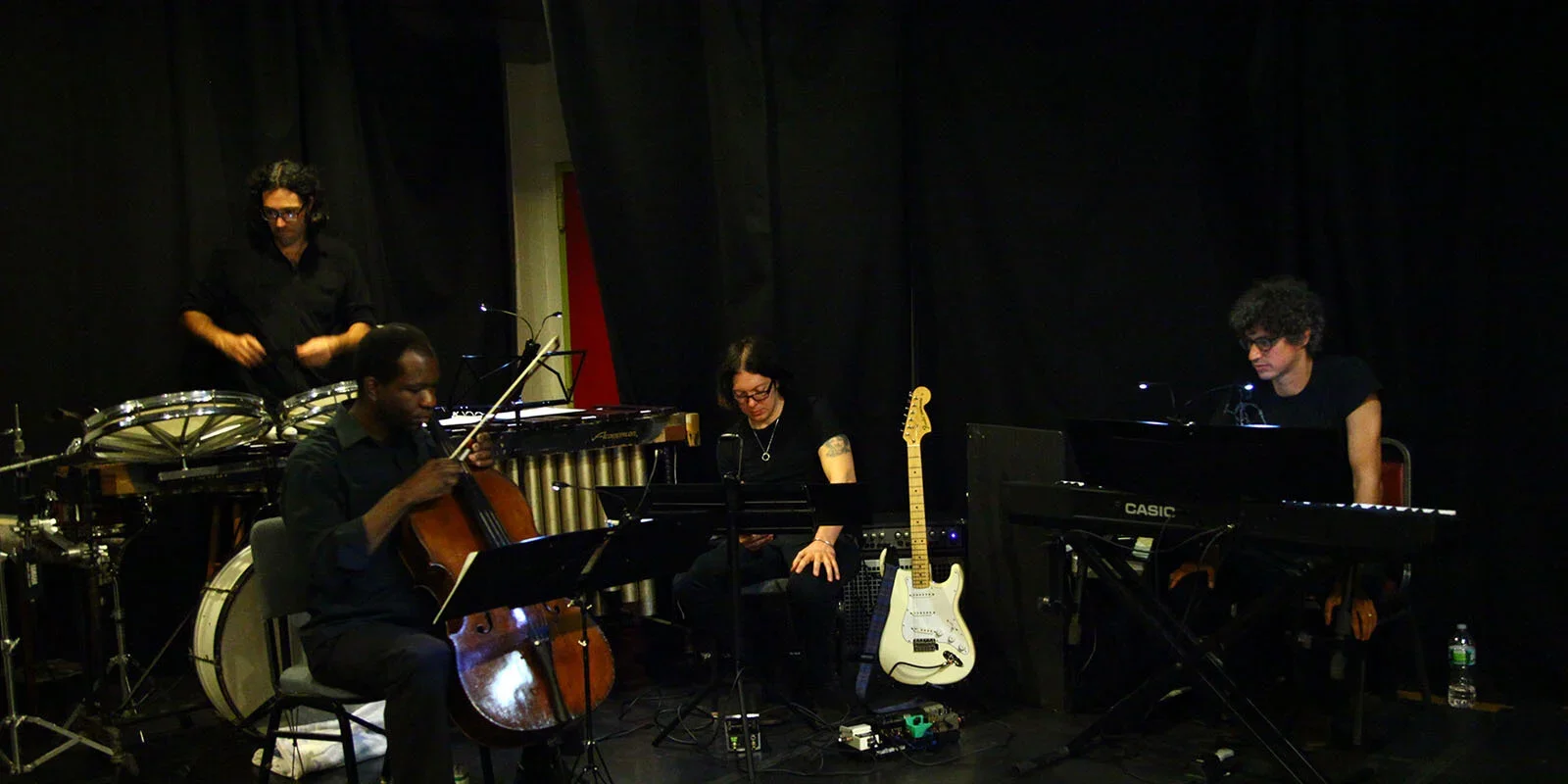
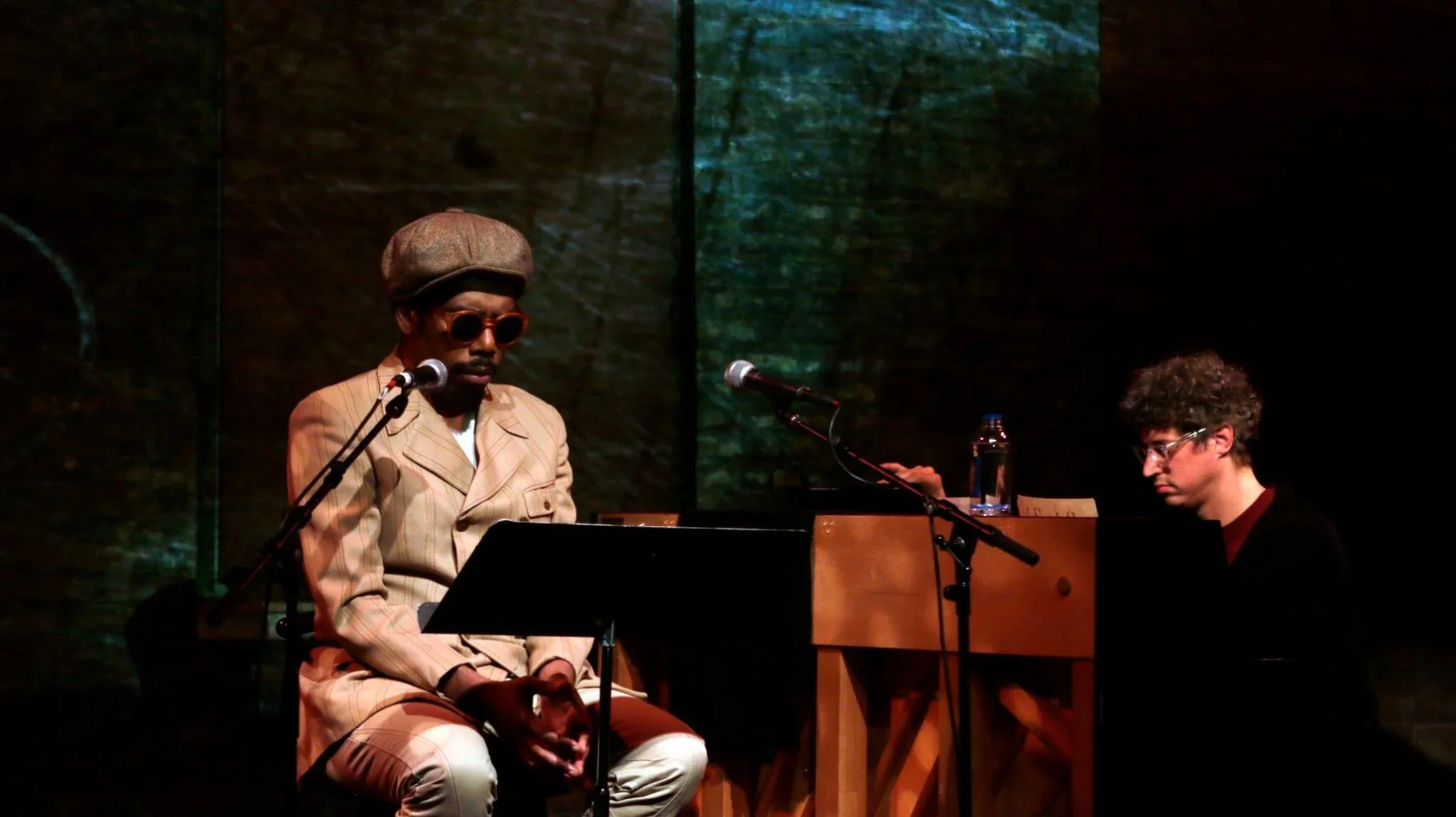
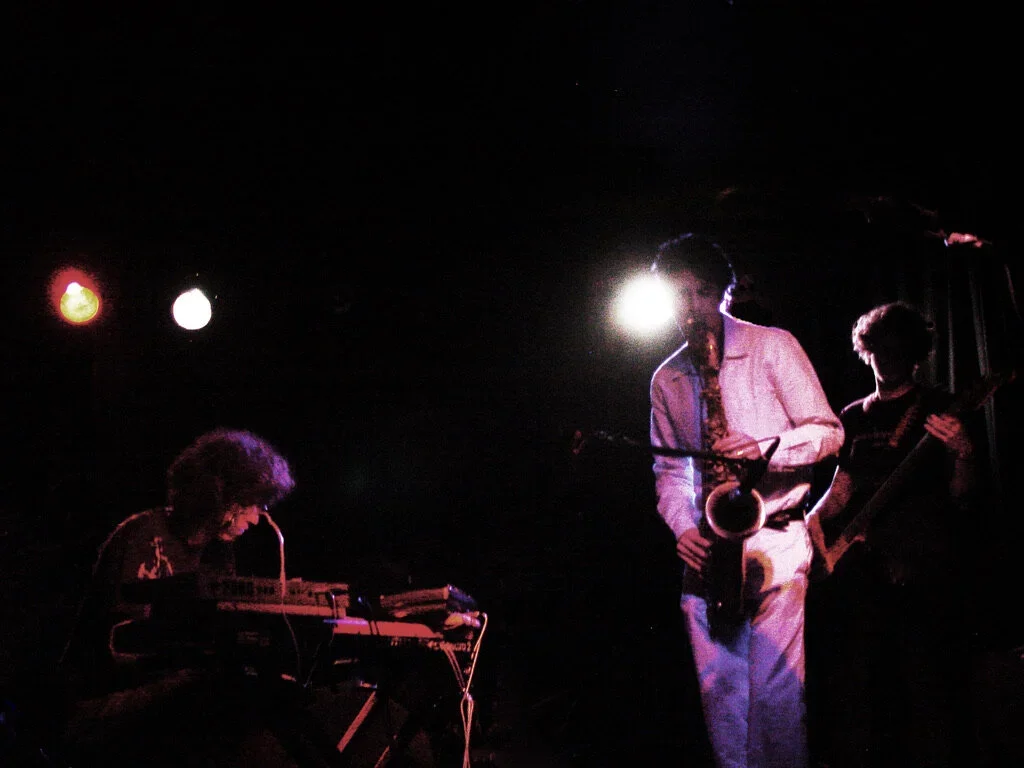
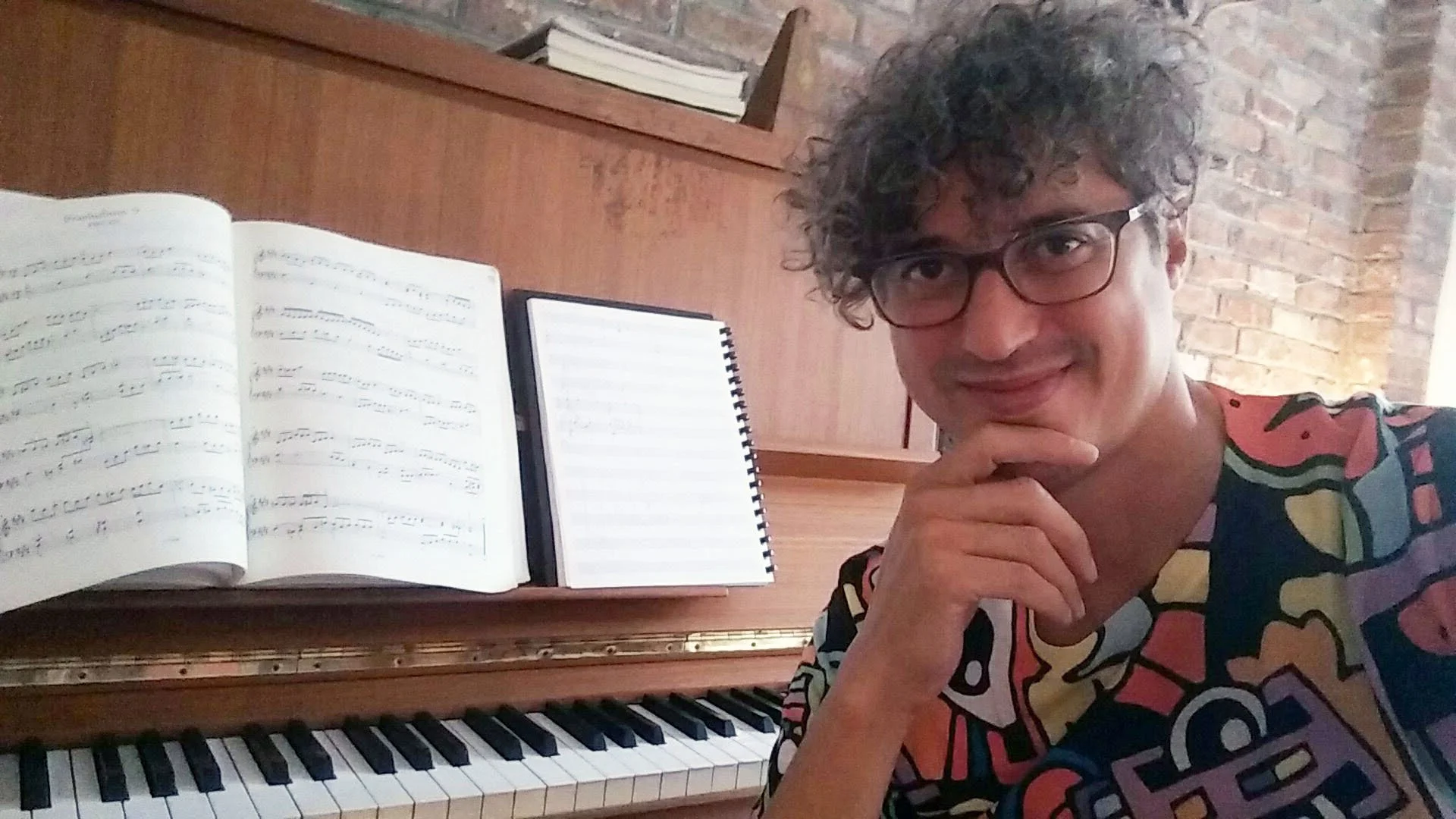
Originally from Rochester, NY, Lon started with trombone and piano, exploring jazz, classical, and experimental music. He studied jazz at Youngstown State University, continued with pianist Michael Cain, and took masterclasses at Eastman School of Music. He holds a Composition and Performance degree from CalArts, focusing on 20th-century classical and improvisation.
As a teacher, Lon fosters curiosity, risk-taking, and strong technical and expressive foundations, helping students at all levels find their musical voice.
Philosophy of Teaching
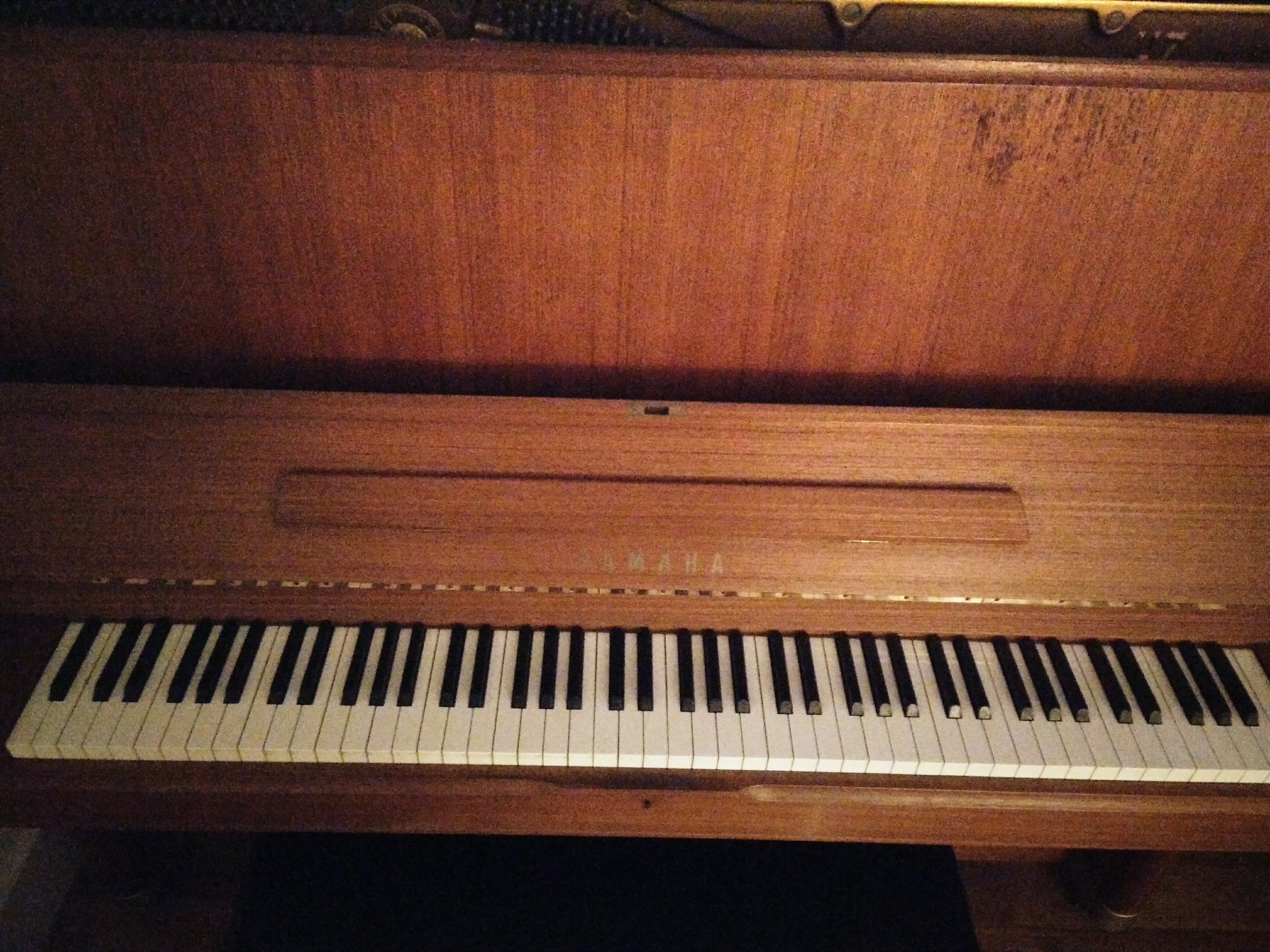
I consider myself both a teacher and a student of music. I believe that once you dedicate yourself to an art, you also dedicate yourself to lifelong learning of that art. Well-rounded education in the basics of music (technique, aesthetics, listening, improvisation, theory and discussion of form and structure) will lead you to a rewarding and ultimately, more successful experience. After all, what good is an education if it does not teach you to teach yourself and think independently of your teacher? Piano playing and music is best learned through disciplined but enjoyable and low stress practice/education.
Reading Music as an Independent Learner
I am a strong advocate of reading music. There is nothing more frustrating than trying to learn or study a piece of music when you are struggling with the basics of music notation. While I also strongly believe there is nothing more important than ear training and learning to listen carefully and accurately, a person can really hear only what they know and are familiar with. When a student has spent the time to learn to read well, centuries worth of musical works become available for immediate study. And that’s a beautiful thing.
Improvisation
Learning improvisation is like learning instant composition, and composition requires a deep understanding of music in its many forms. It requires instant recall of keys, scales, modes, chords, melody and harmony. It requires knowledge of styles and aesthetics. It requires creativity and a good ear. However daunting it may sound, there are ways to teach a student to organize these thoughts and practices by limiting choices and working with boundaries. When we work simply with melody, we can see why there is not much difference between Coltrane, Bach, Mozart, Debussy or Miles Davis. All were also incredible improvisers. The tools they used, while stylistically different, are inherently the same. When musicians use tools common to composers, the ability to improvise with structure and meaning come to life.
Technique and Relaxation
Relaxation at the instrument is essential. To let music flow out of you and not be halted by dangerous tension you must be relaxed and open. Posture and a relaxed technique are a huge part of my teaching, something I had to learn through other teachers and something I continue to work on improving today.Lots of motion at the instrument, while interesting to the listener’s eye, does not often affect the music in a positive way. In fact, it usually detracts. Learning to limit movement to only what is necessary and learning to achieve relaxation will create focus between your body and the instrument. The end result is a richer and deeper experience for the player and the listener.